
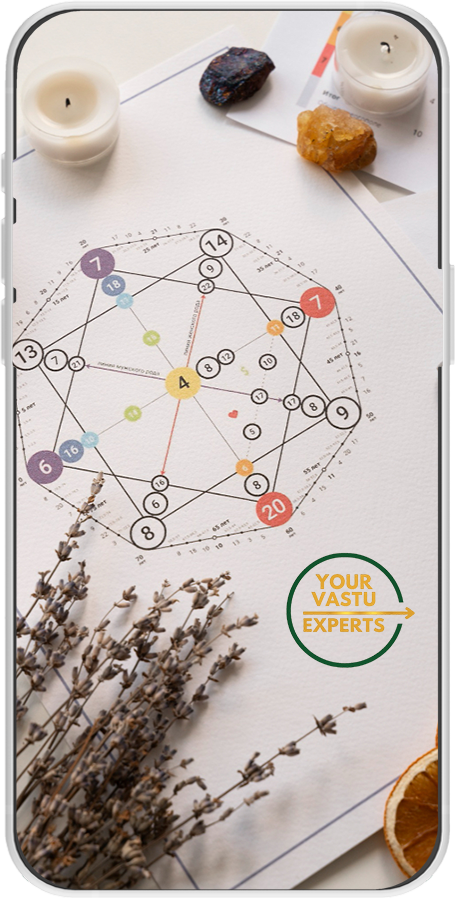


Fire has been central to human life for thousands of years. It provides warmth, enables cooking, supports industry, and symbolises transformation. In Vastu Shastra, the Fire Element, known as Agni Tatva, represents energy, vitality, confidence, discipline, and positive action. It is one of the Pancha Bhootas (Five Elements) that work together to create harmony within residential and commercial spaces.
Among all five elements, Fire has one of the strongest influences on everyday living because it governs the areas associated with cooking, lighting, electricity, and controlled heat. This is why the kitchen is often regarded as one of the most important rooms in Vastu planning.
The Fire Element in Vastu is traditionally associated with the South-East direction (Agni Kon). According to classical Vastu principles, placing fire-related activities in this zone helps maintain balance between heat, light, and the other natural elements within the home.
A balanced Fire element supports a home that feels energetic, functional, and well-organised. However, when fire-related features are poorly planned—such as incorrect kitchen placement, unsafe electrical layouts, or excessive heat—it may affect the comfort and usability of the space.
This guide explains the meaning of the Fire element, its associated direction, colours, shapes, materials, and practical remedies that homeowners can apply without major structural changes.
The Fire Element, known as Agni Tatva, is one of the five natural elements described in Vastu Shastra. In Sanskrit, “Agni” means fire and represents transformation, illumination, and life-sustaining energy.
Unlike the steady nature of the Earth element or the flowing qualities of Water, Fire is dynamic and transformative. It changes raw ingredients into food, darkness into light, and potential into action. Because of this symbolism, Agni is closely associated with activity, motivation, courage, health, and progress.
In modern homes, the Fire element is represented by much more than a cooking flame. It also includes:
Proper planning of these features contributes to both functional design and Vastu harmony.
The Fire element works alongside the other four natural elements to maintain overall balance.
Its traditional relationships include:
Rather than allowing one element to dominate, Vastu encourages thoughtful planning so that all five elements complement one another.
In Vastu Shastra, Fire represents more than physical heat. It symbolises energy, enthusiasm, transformation, and purposeful action.
Traditionally, the Fire element is associated with:
These qualities make the Fire element especially important in areas where food is prepared, decisions are made, and daily activities begin.
From a practical design perspective, well-lit and efficiently planned spaces often feel more active, comfortable, and functional.
The South-East direction, known as Agni Kon, is traditionally governed by the Fire element.
This direction has long been recommended for kitchens and heat-producing activities because it symbolically represents controlled energy and transformation.
For this reason, the South-East is commonly used for:
While every property has unique planning requirements, the South-East remains one of the most significant directions in Vastu design.
The South-East plays a practical role in modern homes because many heat-generating appliances are naturally concentrated in one area.
Organising this zone efficiently can improve:
A thoughtfully designed kitchen benefits both everyday convenience and overall home planning.
Colours inspired by warmth and light reinforce the qualities of the Fire element.
Traditionally recommended colours include:
These colours can be incorporated through:
Rather than using bold colours throughout an entire room, subtle accents often create a more elegant and balanced appearance.
Each of the five Vastu elements is connected with particular geometric forms.
The Fire element is represented by:
These shapes symbolise upward movement, growth, and energy.
Examples include:
When used thoughtfully, these forms reinforce the visual qualities associated with Fire.
The Fire element is strengthened by materials that support warmth, energy, and illumination.
Common examples include:
Modern kitchen materials such as granite countertops and ceramic tiles also complement the Fire element while offering durability and ease of maintenance.
The Fire (Agni) Element in Vastu influences the areas of a home associated with cooking, warmth, lighting, and energy. While the kitchen is the most obvious representation of this element, Fire is also reflected through electrical systems, lighting design, heating appliances, and even the amount of natural sunlight a space receives.
Thoughtful placement of these features helps create a home that is practical, safe, and aligned with traditional Vastu principles.
Kitchen
The kitchen is the primary zone associated with the Fire element and is often considered one of the most important spaces in Vastu planning.
Traditionally, the South-East (Agni Kon) is regarded as the most suitable location for a kitchen because it symbolically represents controlled energy and transformation.
To strengthen the Fire element in the kitchen:
A well-planned kitchen supports efficient daily routines while complementing the overall balance of the home.
Dining Area
Although the dining room is not governed directly by the Fire element, it naturally connects with the kitchen and the sharing of meals.
Simple ways to reinforce Fire energy include:
Creating an inviting dining space encourages families to spend quality time together.
Living Room
The living room can benefit from carefully balanced Fire element features that create warmth and vitality without becoming visually overwhelming.
Suitable additions include:
Balance these elements with neutral colours to avoid making the room feel too intense.
Home Office or Study
The Fire element supports motivation, discipline, and focused work.
In a home office, consider:
These practical choices help create an environment conducive to productivity.
Bedroom
Bedrooms are intended for relaxation, so the Fire element should be present in moderation.
You can introduce warmth through:
Avoid excessive bright red colours or harsh lighting that may interfere with the restful atmosphere.
Pooja Room
The pooja room often includes symbolic representations of the Fire element through traditional oil lamps or diyas.
Helpful practices include:
These features support a peaceful environment for prayer and meditation.
Electrical Equipment
Modern homes contain numerous electrical appliances that represent the Fire element.
These include:
Ensure all electrical systems are professionally installed, regularly maintained, and compliant with safety standards.
Outdoor Areas
The Fire element can also be reflected in outdoor spaces through controlled lighting and functional design.
Examples include:
These additions improve both aesthetics and usability while maintaining safety.
In Vastu philosophy, the Fire element symbolises action, vitality, and transformation. Beyond its traditional significance, it also reflects practical aspects of modern living such as cooking, lighting, and energy use.
A balanced Fire element contributes to a home that feels active, organised, and comfortable.
Health
Fire plays an essential role in food preparation and hygiene.
A clean, functional kitchen with adequate ventilation and lighting supports healthy cooking practices and everyday comfort.
Maintaining cooking appliances, exhaust systems, and electrical equipment also contributes to a safer home environment.
Energy and Motivation
The Fire element is traditionally associated with enthusiasm, confidence, and purposeful action.
Well-lit interiors, organised workspaces, and thoughtfully designed kitchens often create environments that feel energetic and uplifting.
Relationships
The kitchen and dining area are spaces where families connect over shared meals.
A clean, welcoming environment encourages:
These everyday experiences reinforce the social importance of the Fire element.
Career and Productivity
For professionals and students, Fire-inspired workspaces support concentration and efficient use of time.
Practical features include:
These improvements promote functionality while reducing distractions.
Prosperity
Traditional Vastu associates the Fire element with activity, discipline, and transformation rather than instant financial outcomes.
A well-organised kitchen, efficient use of appliances, and responsible energy management reflect these principles in everyday life.
Like all five Pancha Bhootas, the Fire element functions best when it is in balance.
Both excessive and insufficient Fire energy can affect the comfort and functionality of a property.
Signs of Too Much Fire Element
Excessive Fire may be reflected through practical issues such as:
These conditions can make a home feel uncomfortable and require practical adjustments.
Signs of Too Little Fire Element
A weak Fire element may result in spaces that feel dull or underutilised.
Common signs include:
Simple improvements in lighting and organisation often help restore balance.
Several design choices can unintentionally weaken or disrupt the Fire element. Homeowners should pay attention to the following.
A balanced Fire (Agni) Element in Vastu helps create a home that feels energetic, functional, and well-organised. Fortunately, improving the Fire element doesn’t usually require major renovations. In many cases, small adjustments to colours, lighting, appliance placement, and home organisation can help create better balance while complementing modern interior design.
The purpose of these remedies is not to achieve perfection but to support a practical, comfortable, and harmonious living environment.
Keep the Kitchen Clean and Organised
The kitchen is the heart of the Fire element, making cleanliness and organisation especially important.
Simple habits include:
An organised kitchen improves efficiency while reflecting the disciplined qualities traditionally associated with the Fire element.
Strengthen the South-East Zone
The South-East (Agni Kon) is traditionally linked with the Fire element.
You can reinforce this zone by:
If your kitchen is located elsewhere, these simple improvements can still help create a balanced environment.
Improve Lighting
Light is one of the simplest ways to enhance the Fire element.
Aim for:
Good lighting improves both functionality and the overall atmosphere of the home.
Maintain Electrical Systems
Electrical equipment is a modern representation of the Fire element.
Regularly inspect:
Prompt maintenance improves safety and helps prevent avoidable electrical issues.
Use Fire-Friendly Materials
Materials traditionally associated with the Fire element include:
These materials work well in kitchens and dining areas while complementing contemporary home design.
Improve Kitchen Ventilation
Proper ventilation supports both safety and comfort.
Consider:
Good airflow helps control heat, smoke, and cooking odours.
Introduce Warm Colours in Moderation
Warm colours symbolise the Fire element, but balance is essential.
Suitable colours include:
Rather than painting an entire room in bold colours, introduce these shades through:
Using warm colours sparingly creates visual interest without overwhelming the space.
Balance Fire with Other Elements
Although Fire is important, it should never dominate the entire home.
Balance can be achieved by combining Fire-inspired features with:
This holistic approach reflects the core philosophy of Vastu Shastra.
Here are ten simple ways homeowners can enhance the Fire element without structural changes:
These practical improvements support both Vastu recommendations and good home maintenance practices.
Many homeowners unintentionally weaken the Fire element through everyday design and maintenance choices.
Avoid these common mistakes:
The Fire element, or Agni Tatva, is one of the five Pancha Bhootas in Vastu Shastra. It represents energy, transformation, vitality, warmth, and action. It is closely associated with kitchens, lighting, cooking, and electrical systems within a home.
The South-East (Agni Kon) is traditionally governed by the Fire element. This direction is commonly recommended for kitchens, cooking appliances, electrical equipment, and other heat-generating activities.
You can improve the Fire element by keeping the kitchen clean and organised, maintaining electrical systems, using warm colours in moderation, improving lighting, ensuring proper ventilation, and incorporating materials such as copper, brass, terracotta, and ceramic into your décor.
Common Fire-related defects include kitchens in the North-East, poor ventilation, faulty electrical systems, clutter around cooking areas, insufficient lighting, and placing the stove directly beside the sink. Many of these issues can be addressed through practical planning and regular maintenance rather than structural alterations.
The Fire (Agni) Element in Vastu symbolises energy, transformation, and purposeful action. It plays an essential role in modern homes by influencing kitchens, lighting, electrical systems, and the overall functionality of living spaces. When balanced thoughtfully, the Fire element supports an environment that is safe, organised, and comfortable for everyday life.
Creating harmony with the Fire element does not require dramatic changes. Simple improvements such as maintaining a clean kitchen, ensuring proper ventilation, using warm yet balanced colours, and keeping electrical systems in good condition can significantly enhance the practicality and visual appeal of your home.
It’s equally important to remember that Fire is only one of the five natural elements described in Vastu Shastra. A balanced home is achieved when Earth (Prithvi), Water (Jal), Fire (Agni), Air (Vayu), and Space (Akasha) work together in harmony. Focusing on one element while overlooking the others may limit the overall balance of your living environment.
To understand how all five elements interact, explore our comprehensive guide on the Five Elements of Vastu Shastra
You can also continue your learning through our dedicated articles on the Earth Element, Water Element, Air Element, and Space Element, each offering practical guidance for homeowners, architects, and interior designers.
If you’re planning a new home, renovating your kitchen, purchasing a property, or seeking personalised Vastu advice, Your Vastu Experts provides professional consultation for residential, commercial, and industrial spaces. Our recommendations are practical, customised, and designed to help you create spaces that combine traditional Vastu principles with modern living.
Any trademark, brand name, or logo displayed on this website is solely for informational purposes to provide accurate and up-to-date details about the respective brand. Displaying such content does not imply any affiliation, endorsement, or partnership with the brand. All trademarks, names, and logos remain the property of their respective owners.
Transform your home and workspace with the power of Vastu. Our expert consultations help you align your environment for health, prosperity, and peace of mind.
© Your Vastu Experts
WhatsApp us