


Space is the foundation upon which every home is built. Before walls, furniture, or décor are added, it is the available space that determines how comfortably people can live, move, and interact. In Vastu Shastra, the Space Element, known as Akasha Tatva, represents openness, balance, awareness, and the invisible connection between all other natural elements.
Among the Pancha Bhootas (Five Elements)—Earth, Water, Fire, Air, and Space—Akasha is considered the element that accommodates and harmonises the other four. Without space, there would be no room for air to circulate, water to flow, fire to function, or earth to provide stability.
The Space element is most closely associated with the centre of a building, traditionally known as the Brahmasthan. Classical Vastu texts describe this central zone as an area that should remain open, clean, and free from excessive weight whenever practical. In modern homes, while the Brahmasthan may not always be completely open due to architectural constraints, maintaining an uncluttered and well-planned central area can improve both functionality and visual spaciousness.
Whether you live in an apartment, an independent house, or a commercial building, understanding the Space element helps create interiors that feel comfortable, balanced, and easier to navigate.
The Space Element, or Akasha Tatva, is one of the five fundamental elements described in Vastu Shastra. In Sanskrit, “Akasha” means space, sky, or ether. It symbolises openness, expansion, possibility, and the subtle environment within which all other elements exist.
Unlike Earth, Water, Fire, or Air, the Space element is not something we can touch or see directly. Instead, it is experienced through openness, room to move, natural proportions, and the thoughtful organisation of a building.
In practical home design, the Space element is reflected through:
These features create homes that feel spacious, comfortable, and easier to use.
The Space element provides the environment in which the other four elements operate.
Traditionally:
Because of this relationship, Akasha is often viewed as the unifying element that connects all aspects of Vastu planning.
The Space element represents openness, awareness, clarity, and harmony.
Traditionally, Akasha symbolises:
From a practical design perspective, homes with sufficient open space often feel brighter, more organised, and more comfortable for everyday living.
Modern minimalist architecture also reflects many of these principles by emphasising clean layouts, uncluttered interiors, and efficient use of available space.
Unlike the other four elements, the Space element is not governed by a single compass direction.
Instead, it is traditionally associated with the centre of the property, known as the Brahmasthan.
The Brahmasthan acts as the symbolic heart of the home and is considered one of the most significant areas in Vastu planning.
Whenever practical, this central zone should remain:
Many traditional homes achieved this through internal courtyards that encouraged natural light and ventilation.
Modern homes can apply the same principle by avoiding unnecessary congestion in the centre of the floor plan.
The Brahmasthan connects different parts of the house and supports smooth circulation between rooms.
A thoughtfully planned central area can improve:
These design benefits align closely with contemporary architectural principles.
The Space element is connected with colours that create a feeling of openness and tranquillity.
Traditionally recommended colours include:
These colours work well in:
Neutral shades help interiors appear larger, brighter, and more inviting.
The Space element is represented by simple, balanced geometric forms.
Commonly associated shapes include:
These forms symbolise balance, completeness, and harmony.
Examples include:
Materials that reinforce the Space element generally emphasise openness and simplicity.
Common examples include:
These materials help create interiors that feel uncluttered while allowing natural light to move freely throughout the home.
The Space (Akasha) Element in Vastu is reflected in how open, functional, and well-planned a property feels. Unlike the other elements, which are associated with specific rooms or directions, the Space element influences the overall layout of the home. It encourages openness, smooth movement, balanced proportions, and the thoughtful use of every area.
Modern homes often have space constraints, particularly in apartments and urban developments. Even so, homeowners can strengthen the Space element by keeping key areas uncluttered, allowing natural light to enter, and maintaining clear pathways throughout the house.
Brahmasthan (Centre of the Home)
The Brahmasthan is considered the heart of the home in Vastu Shastra and is most closely associated with the Space element.
Traditionally, this central zone was designed as an open courtyard that allowed sunlight, ventilation, and movement throughout the house. While contemporary homes may not always include a courtyard, the same principle can be applied by keeping the central area as open and free from heavy obstructions as possible.
To strengthen the Space element in the Brahmasthan:
A well-maintained Brahmasthan supports both functionality and visual balance.
Living Room
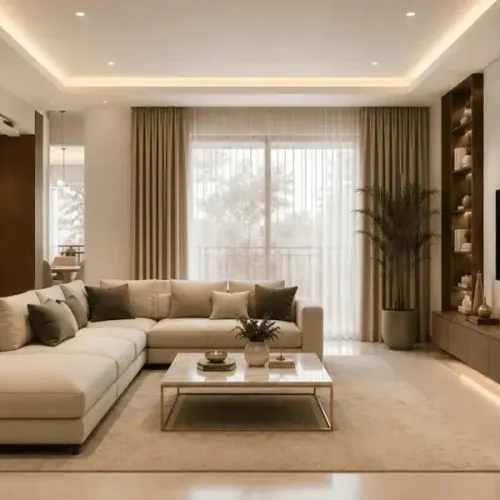
The living room is often one of the largest spaces in a home and naturally reflects the qualities of the Space element.
To enhance this area:
An open and welcoming living room creates a comfortable environment for family members and guests.
Entrance Foyer
The entrance sets the tone for the rest of the property.
A spacious and uncluttered entrance helps create a positive first impression while improving the flow between indoor and outdoor spaces.
Practical recommendations include:
Hallways and Corridors
Passageways connect different parts of the home and contribute significantly to the Space element.
They should ideally remain:
Avoid using hallways as permanent storage areas, as this can make the home feel cramped.
Kitchen
Although the kitchen is primarily associated with the Fire element, the Space element influences its functionality.
A well-designed kitchen should include:
An efficient layout improves both usability and overall comfort.
Dining Area
The dining space benefits from openness and comfortable circulation.
Maintain:
These features make everyday meals more enjoyable and support practical home design.
Bedrooms
Bedrooms should feel spacious enough to encourage relaxation.
Helpful practices include:
Even smaller bedrooms can feel more spacious through thoughtful furniture placement and colour choices.
Pooja Room or Meditation Area
The qualities of openness and calm associated with the Space element are particularly relevant in areas used for prayer, meditation, or quiet reflection.
Create a peaceful atmosphere by:
Simple surroundings help maintain a sense of tranquillity.
The Space element affects how comfortable, organised, and functional a home feels. It influences movement, openness, and the relationship between different rooms rather than any single activity.
Both traditional Vastu principles and modern architectural practices recognise the importance of creating interiors that allow people to move freely and use spaces efficiently.
Health
Open, well-planned interiors contribute to healthier living by supporting:
These practical benefits help create a pleasant indoor environment.
Mental Well-being
A clutter-free environment often feels calmer and less stressful.
Maintaining sufficient open space within the home may help create:
Minimalist interiors often reflect these same principles.
Relationships
Open common areas encourage interaction between family members.
Well-planned living rooms, dining spaces, and shared areas naturally support:
The Space element therefore contributes to the overall usability of the home.
Productivity
An organised environment often supports more efficient work habits.
In home offices and study areas, sufficient space allows:
These principles are widely recognised in workplace design.
Harmony and Balance
The Space element symbolises balance because it connects every part of the home.
Rather than focusing on individual rooms, it encourages homeowners to think about how all spaces work together as one cohesive environment.
The Space element is most effective when openness and functionality are maintained.
Both excessive emptiness and excessive congestion may reduce comfort.
Signs of Too Much Space
While open layouts are beneficial, extremely empty interiors may sometimes feel:
Balanced furniture placement helps create welcoming spaces without reducing openness.
Signs of Too Little Space
Insufficient Space is much more common in modern homes.
Typical signs include:
Simple organisation often produces noticeable improvements.
Several design choices can unintentionally weaken the Space element.
The Space (Akasha) Element in Vastu represents openness, harmony, and the invisible framework that connects every part of a home. Unlike structural elements such as walls or floors, the Space element is strengthened through thoughtful planning, organisation, and efficient use of available areas. The good news is that most Space-related Vastu improvements can be made without major renovations.
By creating uncluttered interiors, improving natural light, and maintaining the central zone of the home, homeowners can encourage a greater sense of balance and comfort.
Keep the Brahmasthan Open and Organised
The Brahmasthan, or the centre of the home, is the most important area associated with the Space element.
To maintain balance:
Even in apartments where the centre cannot remain completely open, reducing clutter can make a noticeable difference.
Declutter Regularly
One of the simplest ways to strengthen the Space element is by reducing unnecessary possessions.
Regular decluttering helps to:
Adopt the habit of reviewing storage areas every few months and donating or recycling items that are no longer needed.
Maximise Natural Light
Natural light enhances the feeling of openness and complements the qualities of the Space element.
Practical ways to increase daylight include:
Well-lit interiors often feel larger, fresher, and more welcoming.
Choose Functional Furniture
Furniture should enhance the usability of a room rather than dominate it.
When selecting furnishings:
Balanced furniture layouts contribute to both practicality and visual openness.
Improve Interior Flow
The Space element supports smooth circulation throughout the home.
Consider:
Good circulation benefits everyday living regardless of property size.
Introduce Minimalist Décor
Minimalism aligns naturally with the qualities of the Space element.
Rather than filling every wall or shelf, choose:
This approach creates interiors that feel elegant without appearing empty.
Use Neutral and Light Colour Schemes
The Space element is associated with colours that create a calm and airy atmosphere.
Suitable choices include:
These colours can be incorporated through:
Neutral tones help maximise the perception of space while complementing a wide range of interior styles.
Balance Space with the Other Elements
The Space element is most effective when it complements the remaining Pancha Bhootas.
For example:
Balanced design creates harmony throughout the home rather than focusing on one element alone.
Here are ten practical ways homeowners can improve the Space element without structural changes:
These straightforward improvements support both traditional Vastu guidance and contemporary interior design.
Homeowners often unintentionally weaken the Space element by reducing openness and flexibility within the home.
Avoid these common mistakes:
The Space (Akasha) Element is one of the five Pancha Bhootas in Vastu Shastra. It represents openness, harmony, awareness, and the environment in which the other four elements—Earth, Water, Fire, and Air—exist. It is most closely associated with the centre of a building, known as the Brahmasthan.
The Brahmasthan is considered the symbolic heart of the home. Traditional Vastu recommends keeping this central area open, clean, and free from heavy obstructions wherever practical. A well-maintained Brahmasthan supports smooth movement, better natural light distribution, and a balanced interior layout.
You can improve the Space element by decluttering regularly, keeping the centre of the home organised, maximising natural light, choosing proportionate furniture, maintaining clear pathways, and using light, neutral colour schemes. These changes help create a more open and comfortable living environment.
Common defects include a cluttered Brahmasthan, overcrowded furniture layouts, blocked circulation areas, excessive internal partitions, poor natural lighting, and visual clutter. Most of these issues can be corrected through better planning, organisation, and thoughtful interior design rather than structural modifications.
The Space (Akasha) Element in Vastu reminds us that good design is not just about adding more features—it is also about knowing where to leave space. Open, organised, and well-planned interiors create homes that are easier to live in, more visually balanced, and better suited to modern lifestyles.
Although traditional Vastu associates the Space element with the Brahmasthan, its influence extends throughout the property. Clear pathways, uncluttered rooms, natural light, and efficient layouts all contribute to a home that feels calm, functional, and welcoming. These principles align closely with contemporary architectural practices, demonstrating how ancient wisdom can complement modern design.
It is also important to remember that the Space element works in harmony with the other Pancha Bhootas. A truly balanced home considers the qualities of Earth (Prithvi), Water (Jal), Fire (Agni), Air (Vayu), and Space (Akasha) together rather than focusing on any single element in isolation.
To gain a broader understanding of how these natural forces influence home planning, explore our Five Elements of Vastu Shastra pillar guide.
You can also continue learning through our dedicated articles on the Earth Element, Water Element, Fire Element, and Air Element, each offering practical advice for homeowners, architects, and interior designers.
If you are designing a new home, purchasing a property, or renovating your existing space, Your Vastu Experts offers personalised Vastu consultation services for residential, commercial, and industrial projects. Our guidance combines traditional Vastu principles with practical, real-world solutions tailored to your property’s layout and your individual requirements.
Any trademark, brand name, or logo displayed on this website is solely for informational purposes to provide accurate and up-to-date details about the respective brand. Displaying such content does not imply any affiliation, endorsement, or partnership with the brand. All trademarks, names, and logos remain the property of their respective owners.
Transform your home and workspace with the power of Vastu. Our expert consultations help you align your environment for health, prosperity, and peace of mind.
© Your Vastu Experts
WhatsApp us