
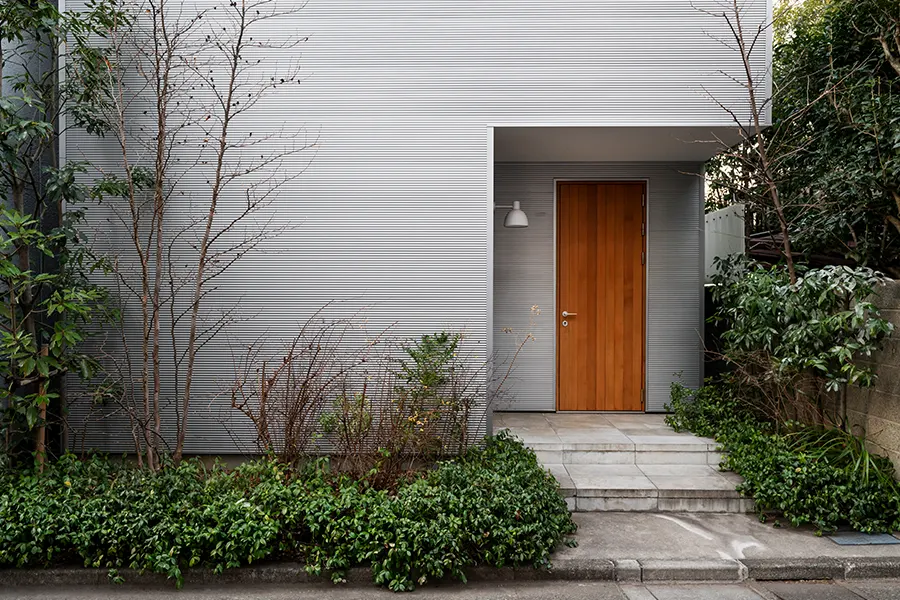
The main door is one of the first things to consider when applying Vastu principles to a home. It is traditionally viewed as the primary point through which people, movement and energy enter the house. For this reason, main door Vastu rules focus on its direction, placement, size, design and relationship with the rest of the home. According to Vastu Shastra, different directions are associated with different qualities and elements. However, there is no single entrance rule that works for every property. The plot, road position, floor plan, surrounding structures and location of other rooms should also be considered. If you are planning a new home or reviewing an existing entrance, the following guidelines can help you understand the traditional approach to main door placement. Why Is the Main Door Important in Vastu? In traditional Vastu, the entrance is considered an important transition between the external environment and the interior of the home. It connects the house with its surroundings and is therefore given particular attention during spatial planning. Vastu practitioners generally assess: The direction in which the main entrance faces The position of the door within that side of the property The size and proportion of the entrance The condition and appearance of the doorway The space immediately outside and inside the entrance The relationship between the entrance and other parts of the floor plan The objective is not simply to choose a direction but to create a well-planned, comfortable and balanced entryway. Which Direction Is Best for a Main Door According to Vastu? One of the most common questions about main door Vastu is which direction is considered best. Traditional Vastu gives importance to all four cardinal directions, but the suitability of an entrance depends on the complete layout rather than direction alone. East-Facing Main Door: East is traditionally associated with the rising sun and is often considered a favourable direction for an entrance. An east-facing entrance can be especially appealing when the design allows good natural light and an open, uncluttered approach to the door. North-Facing Main Door: North is traditionally associated with prosperity and opportunities in Vastu practices. A well-positioned north entrance is therefore often preferred in residential planning. However, the exact placement along the northern side should be considered rather than treating the entire north side as equally suitable. West-Facing Main Door: A west-facing entrance is not automatically considered unsuitable. Traditional Vastu evaluates the specific position of the door along the western side and the overall arrangement of the property. A thoughtfully designed west-facing home can still have a Vastu-conscious entrance. South-Facing Main Door: South-facing entrances are sometimes treated negatively in popular discussions about Vastu. This is an oversimplification. Traditional Vastu does not necessarily consider every south-facing entrance unsuitable. The precise location of the entrance, proportions, surrounding spaces and complete floor plan matter. The key takeaway: do not judge a property solely by whether its main door faces north, south, east or west. Main Door Placement Matters More Than Direction Alone One of the important aspects of main door placement according to Vastu is the position of the entrance on a particular side of the building. For example, saying that a home has an east-facing door does not provide enough information for a detailed Vastu assessment. The door could be positioned differently along the eastern wall, and traditional Vastu may assign different significance to those positions. For this reason, Vastu practitioners may divide a side of the property into sections or padas when assessing an entrance. If you are planning a new property, it is useful to evaluate the entrance together with the complete floor plan rather than selecting a door position independently. Main Door Vastu Tips for a Balanced Entrance Beyond direction and placement, several practical entrance guidelines are commonly recommended in Vastu. Keep the Entrance Clean and Uncluttered: The area around the main door should feel open, clean and welcoming. Avoid allowing shoes, boxes, unused furniture or other unnecessary objects to accumulate around the entrance. A tidy entrance is also simply more functional for everyday living. Choose a Well-Proportioned Main Door: Traditional Vastu generally recommends a main entrance that is properly proportioned to the house. The door should also function comfortably. It should open smoothly without obstruction and should not create unnecessary congestion in the entrance area. Maintain the Door in Good Condition: A damaged, cracked or poorly maintained entrance can make the entire entryway look neglected. Repair peeling finishes, damaged hardware, loose hinges and other visible problems. The entrance should ideally be one of the better-maintained areas of the home. Pay Attention to Natural Light: A reasonably well-lit entrance can make the home feel more welcoming. Where the architecture permits, use natural light around the doorway. Soft, warm lighting can also be used when natural light is limited. Avoid Obstructions Immediately Inside the Door: The entrance should lead into a usable and reasonably open area wherever the floor plan allows. Large cupboards, furniture or other obstacles directly in front of the door can make movement difficult and visually reduce the sense of openness. Use the Entrance to Create a Positive First Impression: Vastu and practical interior design can work together here. A simple entrance with good proportions, suitable lighting, clean surfaces and thoughtful décor can create a calm transition from the outside into the home. Main Door and the Eight Directions Understanding the eight directions can make Vastu-based entrance planning easier. In addition to north, south, east and west, traditional Vastu considers the intermediate directions: Northeast Southeast Southwest Northwest Each direction is traditionally associated with particular qualities and spatial considerations. If you want to understand how these directions are interpreted in Vastu and how they relate to different areas of a home, explore our guide to Eight Directions in Vastu. Should You Change a Main Door Because of Vastu? Not necessarily. If you already live in a house with an entrance that does not match a commonly recommended Vastu guideline, there is no need to assume that the home is automatically unsuitable. Changing a structural entrance can be expensive and may not always be practical. Instead, consider the complete
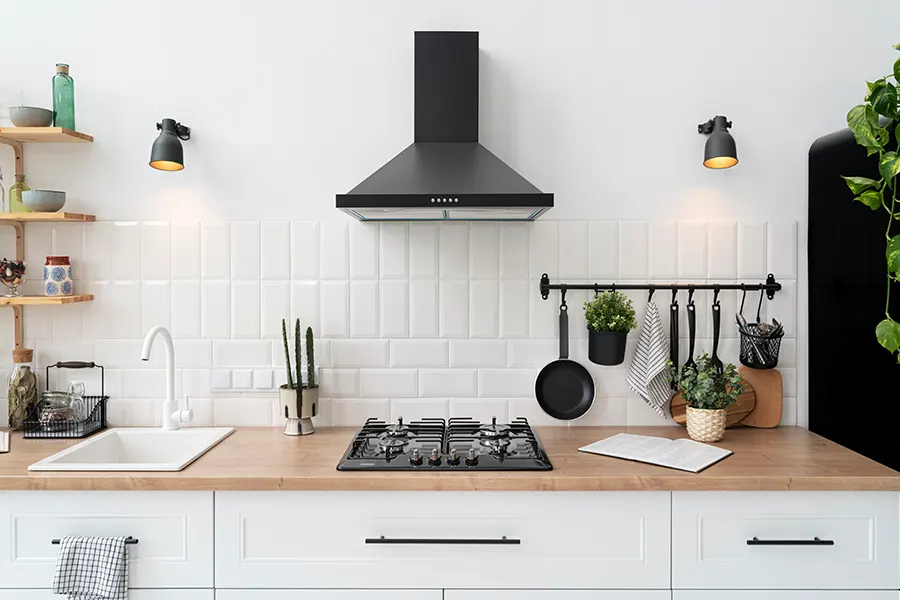
Kitchen Vastu Tips: Direction, Stove Placement and More
The kitchen is an important part of any home, both functionally and in traditional Vastu planning. It is where food is prepared, heat is generated and one of the key daily activities of the household takes place. This is why Kitchen Vastu tips often focus on the kitchen’s direction, cooking area, water-related fixtures, ventilation and overall layout. According to traditional Vastu principles, the kitchen is closely associated with the Agni (Fire) element. The southeast is traditionally considered an important zone for this element, which is why a southeast kitchen is commonly recommended. However, a good kitchen cannot be evaluated by direction alone. The shape of the property, location of doors and windows, plumbing, ventilation, cooking platform and relationship with other rooms should also be considered. Here are practical Vastu guidelines to help you understand how these principles can be applied to a modern home. Which Direction Is Best for a Kitchen According to Vastu? The southeast direction is traditionally regarded as the preferred location for a kitchen because it is associated with the Fire element. A kitchen positioned in the southeast can therefore be a natural starting point when planning a new home. The northwest is also commonly considered an alternative kitchen location in traditional Vastu practice. However, this does not mean that a kitchen located elsewhere automatically makes a home unsuitable. Existing homes often have architectural limitations, and forcing a particular location may not be practical. When evaluating a kitchen, consider: The overall floor plan The direction of the property The position of the cooking area The location of water fixtures Ventilation and natural light The relationship between the kitchen and other rooms Practical plumbing and electrical requirements For a more complete understanding of how directional zones are interpreted, see our guide to Eight Directions in Vastu. Why Is Southeast Associated with the Kitchen? Traditional Vastu connects different areas of a property with different elemental qualities. The southeast is traditionally associated with Agni, or Fire. Since cooking involves heat and transformation, Vastu practitioners commonly relate the kitchen to this zone. This is part of the broader concept of the Pancha Bhootas, or five elements—Earth, Water, Fire, Air and Space. Understanding these elements can provide useful context for traditional Vastu planning. You can explore the principles in greater detail in our guide to the Five Elements of Vastu. Where Should the Gas Stove Be Placed? Stove placement is one of the most frequently searched aspects of kitchen Vastu. Traditional Vastu generally recommends positioning the cooking stove in the southeast portion of the kitchen where possible. Some practitioners also recommend that the person cooking should ideally face east while preparing food. In practical terms, however, the stove should also have: Adequate ventilation Safe clearance from combustible materials Comfortable working space Proper electrical or gas connections Sufficient distance from the sink and other water sources Safety should always take priority over a Vastu adjustment. If the existing kitchen does not allow the recommended arrangement, there is no reason to compromise safe cooking practices simply to follow a traditional guideline. Kitchen Sink and Water Placement Fire and water have different symbolic associations in traditional Vastu, so the placement of the stove and sink is often considered together. Vastu practitioners commonly recommend keeping the kitchen’s water area separate from the primary cooking zone where practical. The sink is often associated with the northeast or north side of a kitchen, depending on the overall layout. More importantly, avoid designing the kitchen so that the sink and stove create an awkward or cramped working area. A practical kitchen should allow you to move comfortably between: storage → preparation → cooking → washing Good kitchen planning and traditional Vastu principles can often work together without making the space inconvenient. Main Kitchen Vastu Tips for a Well-Planned Space Keep the Kitchen Well Ventilated: Cooking naturally creates heat, moisture and odours. Good ventilation is therefore essential. Windows, exhaust fans and chimneys can help maintain a comfortable indoor environment. From a Vastu perspective, ventilation also supports the traditional idea of maintaining movement and balance within the space. Allow Plenty of Natural Light: A kitchen with natural light can feel more spacious and pleasant during the day. Where possible, use windows or other architectural openings while maintaining privacy and practical requirements. Keep the Cooking Area Clean: Traditional Vastu places importance on cleanliness and orderly spaces. Regularly clean the stove, counters, sink and storage areas. Remove unused containers and avoid allowing waste or clutter to accumulate. This is not merely a Vastu consideration—it also contributes to better kitchen hygiene. Separate Fire and Water Where Practical: Try to avoid placing the stove immediately next to the sink if the layout allows. The two fixtures serve very different functions, and separating them can also make the kitchen more comfortable and functional. Use Storage Thoughtfully: Heavy kitchen storage such as larger cabinets and appliances can be arranged without blocking windows, ventilation or important working areas. Avoid overcrowding the kitchen simply to maximise storage. A well-organised kitchen should provide enough room to prepare food and move safely. Keep the Centre of the Kitchen Relatively Open: Traditional Vastu generally values openness and movement in central areas. From a practical design perspective, keeping the central working area reasonably clear also makes cooking and cleaning easier. Kitchen Colours According to Vastu Colour recommendations in Vastu are traditionally connected with elements and directional qualities. For kitchens, warm and earthy shades are often preferred. Depending on the overall design, suitable choices may include: Soft peach Light orange Warm beige Cream Terracotta Muted yellow Light earthy tones You do not need to use strong colours throughout the kitchen. Modern interiors can incorporate these tones through cabinetry, backsplash details, accessories or accent walls. The final colour choice should also work with natural light, the size of the room and the overall interior design. What Should Be Avoided in Kitchen Vastu? Some commonly discussed kitchen Vastu dos and don’ts include avoiding unnecessary clutter and poor separation between cooking and washing areas. Where practical, avoid: Blocking kitchen ventilation Keeping broken appliances for long periods Allowing food waste to accumulate
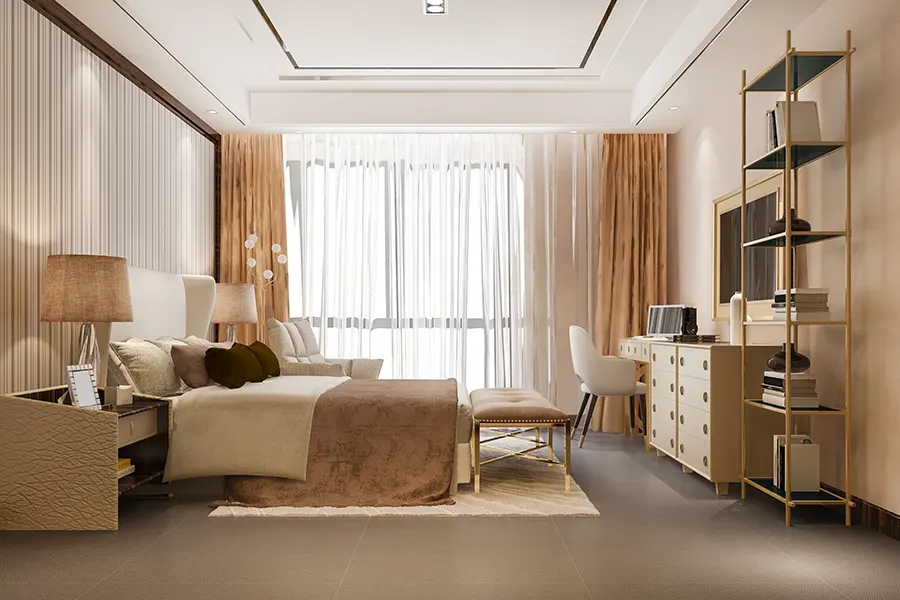
Bedroom Vastu Guide: Direction, Bed Placement and Tips
The bedroom is one of the most private and frequently used spaces in a home, making its location and layout important when planning a Vastu-conscious residence. Traditional Vastu gives particular attention to the direction of the bedroom, the position of the bed, sleeping orientation, colours and the relationship between the bedroom and other areas of the house. If you are designing a new home or simply want to make your existing bedroom more Vastu-conscious, you do not necessarily need to make major structural changes. Many traditional recommendations relate to how furniture, doors, windows and everyday objects are arranged. This Bedroom Vastu Guide explains the commonly followed principles in simple, practical terms while recognising that Vastu is a traditional spatial practice rather than a scientifically proven system. Which Direction Is Best for a Bedroom According to Vastu? The ideal bedroom direction can vary depending on who uses the room and the overall floor plan. For a master bedroom, the southwest is traditionally considered one of the preferred locations. Vastu practitioners often associate this zone with stability and grounding. The west is also commonly considered suitable for bedrooms, while other directions may be recommended depending on the occupants and property layout. Rather than assuming that one direction is universally “good” or “bad”, consider the complete arrangement of the house. Important factors include: The location of the bedroom within the property The direction of the room Door and window placement Bed position Furniture arrangement Natural light and ventilation Relationship with bathrooms, kitchen and other rooms For a broader understanding of directional principles, readers can explore the Eight Directions in Vastu. Master Bedroom Vastu The master bedroom usually receives particular attention in traditional Vastu planning because it is generally occupied by the homeowners. The southwest is commonly recommended for the master bedroom. Traditional Vastu associates this area with stability and a sense of grounding. Where the southwest is not available, the west can be considered depending on the overall floor plan. For an existing property, there is no need to assume that a master bedroom located elsewhere automatically creates a problem. A room should be assessed within the context of the entire house. Where Should the Bed Be Placed? Bed placement is one of the most important practical aspects of bedroom Vastu. Traditional Vastu commonly recommends placing the bed so that the head is towards the south or east while sleeping. The exact recommendation may vary between Vastu traditions and individual practitioners. The bed should ideally have a solid wall behind the headboard rather than being positioned directly in the middle of the room. From a practical perspective, also make sure that: There is enough space to move around the bed Doors can open without hitting furniture Windows and ventilation are not blocked Electrical cables are kept organised The bed does not obstruct natural circulation A comfortable layout should always remain a priority. Sleeping Direction According to Vastu Sleeping direction is another frequently searched aspect of Vastu. According to traditional Vastu principles, sleeping with the head towards the south is commonly recommended for adults. East is also traditionally considered suitable, particularly in some Vastu interpretations. North is generally discouraged as a sleeping direction in traditional Vastu. These recommendations belong to traditional Vastu practice and should not be presented as guaranteed health effects. Good sleep also depends on factors such as room temperature, lighting, noise, mattress comfort and personal routine. Bedroom Door Vastu The bedroom door should allow easy movement into and out of the room. Traditional Vastu considers the position and direction of doors when evaluating a floor plan. However, there is no need to compromise practical accessibility or safety simply to follow a generic rule. Try to ensure that: The doorway is not blocked by furniture The door opens smoothly The entrance is well maintained The room has adequate privacy The door does not create unnecessary obstruction around the bed The relationship between the bedroom entrance and the rest of the home can also be considered as part of a broader Vastu assessment. Bedroom Windows and Ventilation A comfortable bedroom requires adequate airflow and natural light. Where possible, windows should provide sufficient ventilation without compromising privacy, security or energy efficiency. Traditional Vastu also considers the placement of openings in relation to directions. However, practical building requirements should remain important. A bedroom that is well ventilated, naturally lit during the day and appropriately dark at night can contribute to a more comfortable living environment regardless of Vastu considerations. Bedroom Colours According to Vastu Colour recommendations in Vastu are generally connected with the desired character of a space. For bedrooms, softer and calmer shades are often preferred. Depending on the overall interior design, these may include: Cream Beige Light green Soft peach Muted pink Light earthy tones Warm off-white You do not have to redesign the entire room around a particular colour. Wall paint, bedding, curtains, rugs and decorative accents can all be used to create a balanced palette. Very intense colours may dominate a small bedroom, so consider the room’s size and natural lighting before choosing an accent colour. Mirror Placement in the Bedroom Mirrors are another common subject in Vastu discussions. Traditional Vastu practitioners often advise being careful about mirror placement, particularly when a mirror directly reflects the bed. If possible, place mirrors where they are useful without creating an uncomfortable reflection while you are resting. This also has a practical interior-design advantage: a large mirror positioned thoughtfully can make a room appear more spacious, while an awkwardly positioned mirror may make the room feel visually busy. Electronics and Clutter Modern bedrooms often contain televisions, computers, chargers and other electronic devices. From a practical perspective, keeping unnecessary electronics away from the immediate sleeping area can help create a calmer environment and reduce visual clutter. Traditional Vastu also generally favours organised, uncluttered spaces. Consider: Removing unused items from bedside tables Keeping cables organised Avoiding excessive storage under the bed Repairing or removing broken objects Keeping wardrobes and drawers organised These are simple changes
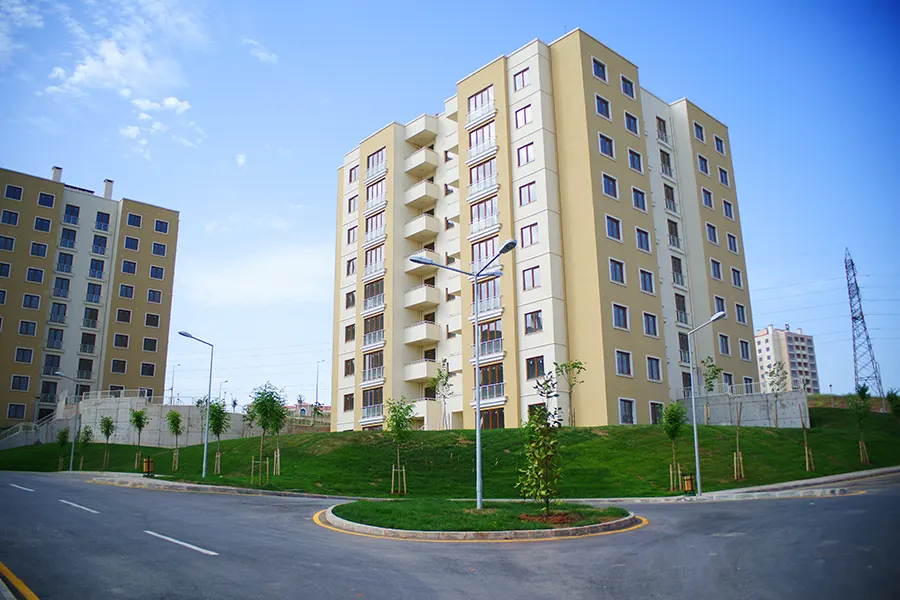
Vastu Shastra Consultant in Delhi NCR for Better Homes
A home is much more than just a physical structure. It is the place where families spend quality time together, create memories, and seek comfort after a busy day. While factors like design, cleanliness, and organization contribute to a pleasant living environment, the flow of energy within a home also plays an important role in overall well-being. This is where Vastu Shastra becomes relevant. As an ancient architectural science, Vastu focuses on creating balance between a property’s layout and natural elements. A professional Vastu Shastra Consultant in Delhi NCR can help identify areas where energy flow may be disrupted and recommend practical solutions to improve harmony, positivity, and functionality. Whether you live in a flat, apartment, independent house, or own a residential plot, professional Vastu guidance can help you make better use of your space and create a more comfortable living environment. Why Vastu Shastra Matters for Residential Spaces Modern lifestyles often bring stress, long working hours, and increased responsibilities. As a result, homeowners are increasingly looking for ways to create peaceful and supportive living environments. Understanding Energy Flow in Homes: Vastu Shastra is based on the concept that the placement and orientation of rooms, entrances, and functional areas can influence the overall balance of a property. Proper planning can help optimize the flow of natural light, ventilation, and spatial harmony. Impact on Daily Living: A well-balanced home environment may contribute to: Better peace of mind Improved family harmony Enhanced focus and productivity Greater comfort and positivity Better utilization of available space Relevance in Modern Homes: Many people assume Vastu only applies to traditional houses. However, Vastu principles can be adapted for modern homes, including apartments, high-rise flats, duplexes, and compact urban residences found across Delhi NCR. How a Vastu Shastra Consultant in Delhi NCR Can Help A qualified Vastu Consultant Delhi NCR takes a systematic approach to evaluating your property and understanding your specific concerns. Home Energy Assessment: The consultation typically begins with a detailed analysis of the property layout, directional alignment, room placement, and overall functionality. Identifying Vastu Imbalances: A consultant carefully evaluates areas that may not align with recommended Vastu principles and identifies potential imbalances that could affect the overall environment. Personalized Recommendations: Every family and property is unique. A professional Home Vastu Expert provides recommendations tailored to your home’s layout, lifestyle needs, and future goals. Practical and Easy-to-Implement Remedies: One of the biggest advantages of professional consultation is receiving practical suggestions that fit your current living situation without creating unnecessary disruption. Can Vastu Be Applied to Flats, Apartments, Plots, and Constructed Houses? A common misconception is that Vastu can only be implemented during new construction. In reality, Vastu principles can be applied to almost every type of residential property. Vastu for Flats and Apartments: With urban living becoming more common, Vastu for Flats and Vastu for Apartments has become increasingly popular. Even when structural modifications are not possible, several adjustments can help improve balance and functionality. Vastu for Independent Houses: For homeowners living in villas or standalone properties, Vastu for Houses can help optimize room placement, entrance positioning, and energy flow throughout the property. Vastu for Residential Plots: Individuals planning future construction can benefit greatly from Vastu guidance during the plot selection and design stage. Vastu Consultation Without Demolition: Many homeowners worry that Vastu corrections require expensive reconstruction. Fortunately, professional Vastu Consultation Without Demolition focuses on practical remedies whenever possible. These may include: Furniture repositioning Functional space adjustments Color recommendations Room usage modifications Directional corrections Element balancing techniques Modern Solutions for Existing Homes: Today’s Vastu consultants understand the practical limitations of urban living and recommend solutions that are realistic and easy to implement. Signs Your Residential Property May Need a Vastu Consultation Every home experiences challenges from time to time. However, recurring issues may encourage homeowners to seek professional evaluation. Some common signs include: Frequent Family Disputes: Regular misunderstandings and tension among family members may indicate the need for a better-balanced living environment. Financial Instability: Unexpected expenses, difficulty saving money, or repeated financial setbacks can motivate homeowners to review their property’s layout and functionality. Lack of Peace at Home: A home should feel comfortable and welcoming. If the environment feels constantly stressful or unsettled, a consultation may be beneficial. Recurring Health Concerns: While health issues have many causes, homeowners often explore Vastu guidance to improve the overall atmosphere of their living space. Delayed Opportunities: Some people seek Vastu support when they experience repeated delays in personal, educational, or professional goals. Constant Stress or Negativity: Feeling mentally drained or uncomfortable within your own home can affect overall quality of life. Difficulty Selling or Renting a Property: Property owners sometimes seek Residential Vastu Services when facing challenges in attracting buyers or tenants. Feeling Uncomfortable Despite Having a Good Home: Even well-designed homes can occasionally feel out of balance. A professional assessment can help identify areas for improvement. Why Choose Your Vastu Experts? When choosing a Vastu Expert in Delhi NCR, experience, transparency, and practical guidance are essential. Experienced Vastu Consultants: The team at Your Vastu Experts has extensive experience providing professional residential Vastu guidance for different property types. Personalized Residential Vastu Consultation: Every recommendation is based on the client’s specific property, concerns, and objectives. Online and Onsite Consultations: Whether you prefer an in-person assessment or Online Vastu Consultation, services are available across Delhi NCR, India, and internationally. Practical Remedies Without Major Structural Changes: The focus remains on practical solutions that homeowners can implement easily without unnecessary demolition. Client-Focused Approach: The consultation process begins with understanding the homeowner’s goals before offering customized recommendations. Detailed Recommendations and Ongoing Support: Clients receive structured guidance and actionable suggestions designed to help them move forward with confidence. Benefits of Professional Residential Vastu Consultation Seeking professional Residential Vastu Consultation offers several advantages. Improved Positivity: A balanced home environment can create a more welcoming and comfortable atmosphere. Better Harmony and Relationships: Thoughtful space planning may support stronger family connections and smoother day-to-day interactions. Enhanced Productivity and Focus: A well-organized environment often contributes to improved concentration and efficiency. Greater Peace and Well-Being: Many homeowners report feeling more comfortable and relaxed after implementing recommended changes. Optimized Use of Living Spaces: Professional guidance can help improve the functionality
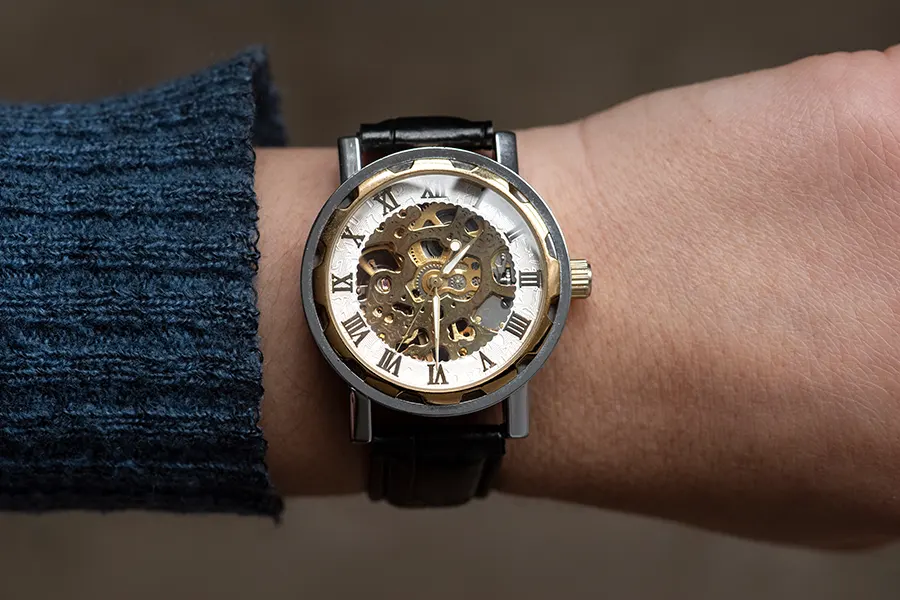
Wrist Watch Vastu Shastra: Tips for Positive Energy and Success
Introduction to Wrist Watch Vastu Shastra In Vastu Shastra, every object we own, including a wristwatch, plays a significant role in bringing positivity and success into our lives. Many people are unaware of how the placement and choice of wristwatch can impact their energies. If you are someone who believes in Vastu Shastra, you would be curious about the right way to wear and place your wristwatch. Let’s dive into the essential aspects of wrist watch Vastu and how you can benefit from it. Where to Keep Wrist Watch as per Vastu? Home Placement: Keep your wristwatch on the east side of your room or office for a positive effect. The east direction is associated with wealth, growth, and overall positivity. Office Placement: If you’re placing your wristwatch in an office, try to keep it on the right-hand side of your desk. It is believed that the right side represents power, and keeping it here will bring success and opportunities. Additionally, do not place your wristwatch in the bathroom or near areas of water, as these spaces are considered to disturb the natural energies. Which Hand is Lucky to Wear a Watch? According to Vastu Shastra, the hand on which you wear your watch can have an influence on your life’s energies. Left Hand: It is said that wearing a wristwatch on the left hand is considered more auspicious. This is because the left hand is connected to the heart and emotions, which brings in calmness, wealth, and positivity. In Vastu, wearing your watch on the left hand is believed to attract more prosperity and balance in your life. Right Hand: Wearing a watch on the right hand can also be beneficial, especially for those who want to enhance their career or business opportunities. The right hand is connected with action and achievement, making it ideal for professionals who wish to bring success. However, the left hand is generally considered more favorable in Vastu because it is more linked with the receiving of energies. Lucky Wrist Watch Colour as per Vastu The color of your wristwatch can also influence the energies around you. Each color has a unique vibration and impact according to Vastu. White: White is a color of purity and peace. Wearing a white wristwatch can bring mental clarity and help you make wise decisions. Gold: A gold wristwatch represents wealth, luxury, and prosperity. It is considered one of the best colors for attracting abundance and financial growth. Silver: A silver wristwatch can bring balance and harmony. It is also linked with emotional well-being and personal growth. Black: The color black is associated with power and protection. Wearing a black wristwatch can bring confidence and protect you from negative energies. Brown: This color represents stability and grounding. If you’re looking for stability in your personal or professional life, a brown wristwatch might be ideal for you. Each person may connect with different colors based on their unique needs, but gold and silver are widely considered beneficial for attracting wealth and stability. Best Wrist Watch Shape as per Vastu The shape of your wristwatch also plays a role in how energy flows through your life. Here are some of the most beneficial shapes as per Vastu: Round Shape: The round shape is considered the best and most auspicious for wristwatches. This shape symbolizes completeness, unity, and continuity. It enhances the flow of positive energy and removes any blockages in your life. Therefore, a round-shaped wristwatch is the ideal choice if you seek harmony and balance. Square or Rectangular Shape: These shapes are considered stable and grounded. If you are looking for structure in your life, square or rectangular wristwatches are great options. However, they should not be too sharp or angular, as these can represent harshness or imbalance. Oval Shape: An oval-shaped wristwatch is also beneficial in promoting stability and bringing balance into one’s life. It is a great choice for those who seek mental peace and clarity. Triangular or Sharp-edged Shapes: While these shapes are stylish, they are not typically recommended in Vastu Shastra. Triangular shapes or sharp-edged designs are believed to create unnecessary tension and obstacles, so it’s better to avoid them. Opting for rounded or soft-shaped wristwatches is always a better choice if you seek harmony and success. Stopped Wrist Watch Vastu If your wristwatch has stopped working, Vastu Shastra suggests that it is a sign of negative energy or an imbalance in your surroundings. A stopped watch can symbolize a blockage or stagnation in your life. Here’s what you can do: Fix the Watch: Get your wristwatch repaired as soon as possible. A working watch symbolizes the continuous flow of time and energy. A broken or stopped watch can disrupt this flow, so it’s essential to get it back to working condition. Place it in the Right Direction: Keep a stopped wristwatch in the right direction—ideally, in the northeast corner of your house. This direction is associated with new beginnings and good fortune. Avoid Keeping Stopped Watches: If your watch has stopped due to a malfunction, and you can’t repair it immediately, it is advised to avoid wearing or placing it around you. Keeping it near you can attract negative energies. Wrist watch Vastu Shastra highlights the significant role that wristwatches play in our lives. From choosing the right color to deciding on the ideal hand for wearing your watch, small changes can lead to remarkable results. Following Vastu guidelines can ensure that your wristwatch serves not just as a timepiece, but as a tool for attracting positivity, success, and prosperity. As your vastu experts based in Gurugram, we are here to help you with any Vastu-related queries and provide personalized advice on enhancing your living or working space. Whether it’s a consultation for your home, business, or specific objects like wristwatches, we offer expert guidance both online and offline across India. Nidhhi TrikhaaNidhhi Trikhaa is the founder of Your Vastu Experts and a dedicated Vastu consultant committed to helping individuals and businesses create