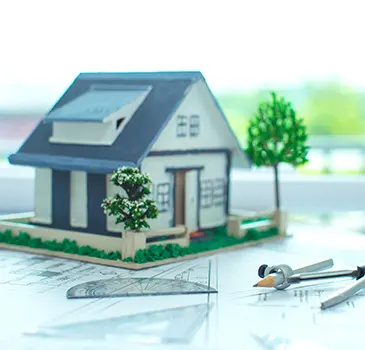
Among the Pancha Bhootas (Five Elements of Vastu Shastra), the Earth Element, known as Prithvi in Sanskrit, forms the foundation of stability, strength, and support. Every building—whether it is a home, apartment, office, or commercial space—rests upon the Earth, making it one of the most influential elements in Vastu planning.
In Vastu Shastra, the Earth element represents much more than soil or land. It symbolizes security, balance, patience, nourishment, and long-term growth. A well-balanced Earth element helps create spaces that feel grounded, comfortable, and organized, while an imbalance may affect the overall functionality and harmony of a property.
Understanding the Earth Element in Vastu can help homeowners make thoughtful decisions about room placement, colours, materials, furniture, and interior design. The good news is that many Earth-related Vastu improvements can be achieved through simple design choices rather than major renovations.
In this guide, you’ll learn what the Earth element represents, its associated direction, colours, materials, common Vastu defects, and practical remedies that are easy to implement.
The Earth Element, or Prithvi Tatva, is one of the five natural elements that form the basis of Vastu Shastra. In Sanskrit, Prithvi means earth, land, or foundation. It is considered the element of stability because every structure is ultimately supported by the ground beneath it.
Within the philosophy of the Pancha Bhootas, the Earth element is associated with qualities such as permanence, reliability, nourishment, and endurance. Just as the earth supports mountains, forests, and cities, it also symbolizes the strong foundation upon which a balanced home is built.
Unlike the dynamic nature of fire or air, the Earth element is calm and steady. It encourages thoughtful planning, organized living, and long-term stability. This is why Vastu consultants often focus on strengthening the Earth element when designing spaces intended for rest, security, or important decision-making.
Rather than viewing the Earth element only as the soil beneath a building, Vastu also relates it to heavy structures, natural materials, balanced layouts, and solid architectural forms that provide a sense of permanence.
The Earth element works in harmony with the other four elements:
A balanced home is not one where a single element dominates but where all five elements complement one another. The Earth element provides the stability that allows the other elements to function in harmony.
In Vastu Shastra, the Earth element represents both physical and emotional stability. It reminds us that a well-designed home should not only look beautiful but also feel secure, welcoming, and functional.
Traditionally, the Earth element symbolizes:
These qualities make the Earth element particularly important in spaces where families spend quality time, make important decisions, or seek relaxation after a busy day.
From a practical perspective, homes with a balanced Earth element often feel organized, comfortable, and visually grounded. Natural textures, well-proportioned furniture, and thoughtful layouts contribute to this sense of stability.
In Vastu Shastra, the South-West direction (Nairutya) is most closely associated with the Earth element.
This direction is traditionally regarded as the zone of strength, permanence, and support. Because of these qualities, the South-West is often recommended for spaces that benefit from stability and privacy.
The South-West receives comparatively less direct morning sunlight than the eastern side of a property. Traditional Vastu philosophy considers this natural characteristic suitable for creating heavier, quieter, and more stable spaces within a home.
As a result, the South-West zone is commonly recommended for:
Keeping this direction balanced helps maintain a sense of order and permanence throughout the property.
The South-West direction plays an important role in overall house planning because it helps create visual and structural balance.
A well-utilized South-West zone may contribute to:
Conversely, overly open or lightweight South-West zones may create an imbalance in the home’s overall design, which is why Vastu often recommends placing heavier elements in this area.
Colours play an important role in reinforcing the qualities associated with the Earth element. Warm, natural shades inspired by the landscape are traditionally preferred because they create a feeling of comfort and stability.
Recommended Earth Element Colours
These colours work particularly well in:
Neutral Earth-inspired palettes also blend beautifully with contemporary interior design styles, making them easy to incorporate into modern homes.
Every Vastu element is represented by specific geometric forms. The Earth element is associated with shapes that symbolize balance and stability.
These include:
These forms represent order, symmetry, and structural integrity. They are commonly reflected in furniture layouts, room proportions, flooring patterns, and architectural planning.
For example:
Natural materials strengthen the Earth element because they reflect the qualities of permanence and durability.
Common Earth element materials include:
Wood can also complement the Earth element when used thoughtfully, especially in combination with natural textures and warm finishes.
Choosing these materials for flooring, walls, furniture, and decorative accessories helps create interiors that feel timeless, grounded, and welcoming.
One of the key principles of Vastu Shastra is ensuring that each of the five elements is expressed in the right area of the home. Since the Earth element represents stability, support, and permanence, it is best reflected in spaces where strength, security, and relaxation are important.
While every home has a unique layout, understanding the ideal placement of the Prithvi Element in Vastu can help create a more balanced and functional living environment.
The living room is where family members gather and guests are welcomed. Introducing Earth element characteristics here helps create a warm, inviting, and grounded atmosphere.
Consider incorporating:
Avoid overcrowding the space with excessive furniture, as clutter can reduce the feeling of openness and comfort.
The master bedroom is one of the most important spaces associated with the Earth element because it supports rest, stability, and emotional security.
To strengthen this element:
A stable and well-planned bedroom often contributes to a more peaceful environment and better quality of rest.
Although the kitchen is primarily linked to the Fire (Agni) element, the Earth element plays a supporting role by adding stability and balance.
You can introduce Earth energy through:
Balancing fire with earthy materials creates a kitchen that feels practical, functional, and visually harmonious.
Bathrooms are generally associated with the Water element, but excessive water energy can sometimes make a space feel cold or unbalanced.
Simple ways to introduce Earth qualities include:
These additions help create a more balanced environment without major renovations.
The main entrance sets the tone for the rest of the home.
To strengthen the Earth element at the entrance:
A welcoming entrance reflects the grounding qualities of the Earth element.
Gardens naturally express the Earth element.
Enhance this area by including:
A thoughtfully designed outdoor space strengthens the connection between the home and nature.
The pooja room represents peace and spiritual focus. While it is traditionally associated with the North-East direction, the Earth element can be introduced through natural materials.
Suitable choices include:
These materials create a calm and timeless atmosphere for prayer and meditation.
A home office benefits from Earth energy because it supports concentration, discipline, and consistency.
Recommended features include:
A grounded workspace encourages better focus and productivity.
The Earth element influences much more than the physical appearance of a home. According to Vastu Shastra, it contributes to the overall sense of balance and functionality within a space.
While individual experiences vary, a well-balanced Earth element is traditionally associated with several positive qualities.
The Earth element symbolizes nourishment and support.
Homes that emphasize natural materials, organized layouts, and comfortable living spaces often feel more relaxing and easier to maintain.
A balanced environment may encourage:
Stable surroundings often encourage stronger family connections.
Earth-inspired interiors promote:
Simple design choices, such as comfortable seating areas and organized shared spaces, can make a home feel more inviting.
In Vastu philosophy, stability is closely connected with long-term prosperity.
The Earth element encourages:
Rather than making unrealistic promises, Vastu views prosperity as something that grows through balance, discipline, and thoughtful planning.
Busy modern lifestyles can sometimes make homes feel chaotic.
Earth-inspired interiors help create spaces that feel:
Natural textures, balanced layouts, and warm colours often contribute to a peaceful living environment.
A balanced Earth element also supports practical decision-making and consistency.
For professionals working from home, Earth-inspired spaces may help create an environment that feels organized and focused.
Features such as sturdy furniture, uncluttered workspaces, and neutral colours contribute to a productive atmosphere.
Like the other Pancha Bhootas, the Earth element functions best when it is in balance. Both an excess and a deficiency can affect the overall harmony of a property.
When Earth energy becomes excessive, spaces may feel overly heavy or stagnant.
Common signs include:
These homes may appear visually dense and less inviting.
A weak Earth element can make interiors feel temporary or disconnected.
Common indicators include:
Such environments may feel incomplete or lacking a sense of permanence.
Several common design choices can unintentionally weaken the Earth element. Homeowners should watch for the following:
The purpose of Vastu remedies is to improve balance within a space through practical and thoughtful changes. In most cases, strengthening the Earth (Prithvi) Element in Vastu does not require structural alterations or expensive renovations. Small adjustments in colours, materials, furniture placement, and organisation can often make a noticeable difference to the overall feel of a home.
Here are some simple ways to reinforce the Earth element while maintaining a modern and functional living space.
One of the easiest ways to strengthen the Earth element is by choosing colours inspired by nature.
Suitable colours include:
These shades work well in master bedrooms, living rooms, study areas, and the South-West zone of the home. Instead of repainting an entire room, you can introduce these tones through cushions, curtains, rugs, artwork, or decorative accessories.
Natural materials reinforce the grounding qualities of the Earth element.
Consider using:
These materials not only align with Vastu principles but also complement contemporary interior design.
Since the South-West is traditionally associated with the Earth element, it should feel solid, organised, and well-utilised.
Helpful practices include:
Clutter affects both functionality and visual balance.
Simple habits include:
A tidy home often feels calmer, more spacious, and easier to navigate.
Plants strengthen the connection with nature and complement the Earth element.
Suitable choices include:
Use ceramic, terracotta, or stone planters to further reinforce the Earth element.
Although Earth is associated with stability rather than brightness, good lighting helps maintain a welcoming atmosphere.
Aim for:
Avoid making Earth-dominant spaces feel dark or enclosed.
Furniture should create comfortable movement throughout the home.
Good practices include:
Gardens and balconies naturally express the Earth element.
Simple improvements include:
These additions help strengthen the relationship between your home and the natural environment.
Improving the Earth element doesn’t require perfection. Small, consistent improvements often have the greatest impact.
These practical habits support both Vastu principles and good interior design practices.
When trying to balance the Earth element, homeowners sometimes unintentionally create new imbalances. Avoid these common mistakes:
The Earth element, known as Prithvi, represents stability, strength, nourishment, and support. It is one of the five Pancha Bhootas in Vastu Shastra and forms the foundation for balanced home design and thoughtful space planning.
The South-West (Nairutya) direction is traditionally associated with the Earth element. This zone is commonly recommended for the master bedroom, heavy furniture, and areas requiring stability and privacy.
You can enhance the Earth element by using natural materials such as wood, stone, clay, and ceramic, choosing earthy colour palettes, keeping the South-West area organised, introducing indoor plants in terracotta pots, and reducing clutter throughout the home.
According to Vastu principles, a weak Earth element may create a feeling of instability or imbalance within a space. Strengthening it through thoughtful design, organised layouts, and natural materials can help create a more grounded and comfortable home environment.
The Earth (Prithvi) Element in Vastu provides the foundation upon which every balanced home is built. It represents stability, security, patience, and long-term growth—qualities that are reflected in thoughtful architecture, functional layouts, and well-designed living spaces.
Whether you’re designing a new home, renovating an existing property, or simply looking to create a more harmonious environment, strengthening the Earth element doesn’t have to involve major structural changes. Simple improvements such as using natural materials, choosing earthy colours, organising your home, and maintaining the South-West zone can make your living space feel more balanced and welcoming.
It’s also important to remember that no single element works in isolation. The Earth element functions alongside Water (Jal), Fire (Agni), Air (Vayu), and Space (Akasha) to create overall harmony. A truly Vastu-aligned home is one where all five elements complement each other rather than compete.
To understand how these natural forces work together, explore our comprehensive guide on the Five Elements of Vastu Shastra.
You may also find our detailed articles on the Water Element, Fire Element, Air Element, and Space Element helpful as you continue your Vastu journey.
If you’re planning a new home, purchasing a property, or looking for practical Vastu guidance tailored to your layout, Your Vastu Experts offers professional consultation for residential, commercial, and industrial spaces. Our recommendations are personalised, practical, and designed to help you create a home that is both functional and harmonious.
Any trademark, brand name, or logo displayed on this website is solely for informational purposes to provide accurate and up-to-date details about the respective brand. Displaying such content does not imply any affiliation, endorsement, or partnership with the brand. All trademarks, names, and logos remain the property of their respective owners.
© Your Vastu Experts
WhatsApp us
