
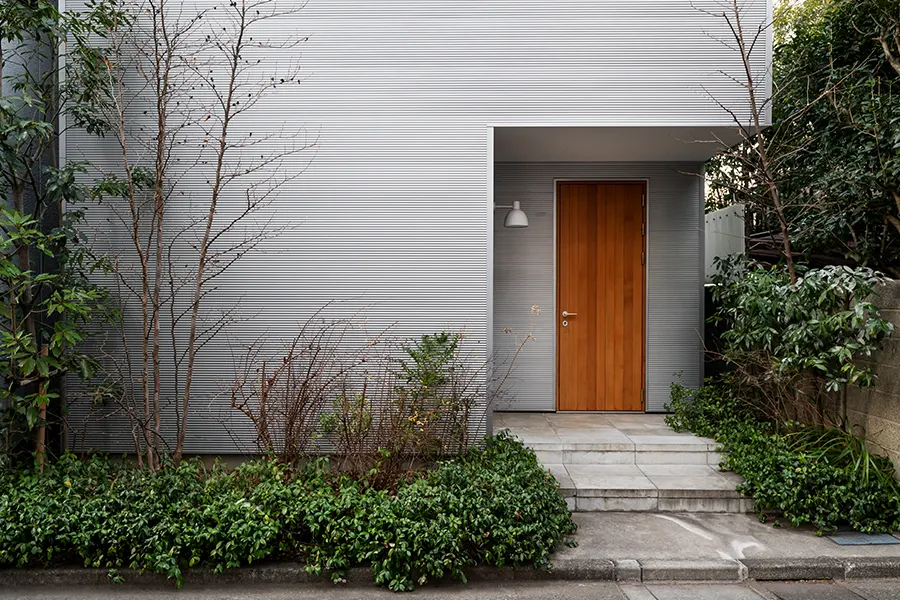
The main door is one of the first things to consider when applying Vastu principles to a home. It is traditionally viewed as the primary point through which people, movement and energy enter the house. For this reason, main door Vastu rules focus on its direction, placement, size, design and relationship with the rest of the home.
According to Vastu Shastra, different directions are associated with different qualities and elements. However, there is no single entrance rule that works for every property. The plot, road position, floor plan, surrounding structures and location of other rooms should also be considered.
If you are planning a new home or reviewing an existing entrance, the following guidelines can help you understand the traditional approach to main door placement.
Why Is the Main Door Important in Vastu?
In traditional Vastu, the entrance is considered an important transition between the external environment and the interior of the home. It connects the house with its surroundings and is therefore given particular attention during spatial planning.
Vastu practitioners generally assess:
- The direction in which the main entrance faces
- The position of the door within that side of the property
- The size and proportion of the entrance
- The condition and appearance of the doorway
- The space immediately outside and inside the entrance
- The relationship between the entrance and other parts of the floor plan
The objective is not simply to choose a direction but to create a well-planned, comfortable and balanced entryway.
Which Direction Is Best for a Main Door According to Vastu?
One of the most common questions about main door Vastu is which direction is considered best.
Traditional Vastu gives importance to all four cardinal directions, but the suitability of an entrance depends on the complete layout rather than direction alone.
East-Facing Main Door: East is traditionally associated with the rising sun and is often considered a favourable direction for an entrance.
An east-facing entrance can be especially appealing when the design allows good natural light and an open, uncluttered approach to the door.
North-Facing Main Door: North is traditionally associated with prosperity and opportunities in Vastu practices. A well-positioned north entrance is therefore often preferred in residential planning.
However, the exact placement along the northern side should be considered rather than treating the entire north side as equally suitable.
West-Facing Main Door: A west-facing entrance is not automatically considered unsuitable. Traditional Vastu evaluates the specific position of the door along the western side and the overall arrangement of the property.
A thoughtfully designed west-facing home can still have a Vastu-conscious entrance.
South-Facing Main Door: South-facing entrances are sometimes treated negatively in popular discussions about Vastu. This is an oversimplification.
Traditional Vastu does not necessarily consider every south-facing entrance unsuitable. The precise location of the entrance, proportions, surrounding spaces and complete floor plan matter.
The key takeaway: do not judge a property solely by whether its main door faces north, south, east or west.
Main Door Placement Matters More Than Direction Alone
One of the important aspects of main door placement according to Vastu is the position of the entrance on a particular side of the building.
For example, saying that a home has an east-facing door does not provide enough information for a detailed Vastu assessment. The door could be positioned differently along the eastern wall, and traditional Vastu may assign different significance to those positions.
For this reason, Vastu practitioners may divide a side of the property into sections or padas when assessing an entrance.
If you are planning a new property, it is useful to evaluate the entrance together with the complete floor plan rather than selecting a door position independently.
Main Door Vastu Tips for a Balanced Entrance
Beyond direction and placement, several practical entrance guidelines are commonly recommended in Vastu.
- Keep the Entrance Clean and Uncluttered: The area around the main door should feel open, clean and welcoming. Avoid allowing shoes, boxes, unused furniture or other unnecessary objects to accumulate around the entrance. A tidy entrance is also simply more functional for everyday living.
- Choose a Well-Proportioned Main Door: Traditional Vastu generally recommends a main entrance that is properly proportioned to the house. The door should also function comfortably. It should open smoothly without obstruction and should not create unnecessary congestion in the entrance area.
- Maintain the Door in Good Condition: A damaged, cracked or poorly maintained entrance can make the entire entryway look neglected. Repair peeling finishes, damaged hardware, loose hinges and other visible problems. The entrance should ideally be one of the better-maintained areas of the home.
- Pay Attention to Natural Light: A reasonably well-lit entrance can make the home feel more welcoming. Where the architecture permits, use natural light around the doorway. Soft, warm lighting can also be used when natural light is limited.
- Avoid Obstructions Immediately Inside the Door: The entrance should lead into a usable and reasonably open area wherever the floor plan allows. Large cupboards, furniture or other obstacles directly in front of the door can make movement difficult and visually reduce the sense of openness.
- Use the Entrance to Create a Positive First Impression: Vastu and practical interior design can work together here. A simple entrance with good proportions, suitable lighting, clean surfaces and thoughtful décor can create a calm transition from the outside into the home.
Main Door and the Eight Directions
Understanding the eight directions can make Vastu-based entrance planning easier. In addition to north, south, east and west, traditional Vastu considers the intermediate directions:
Each direction is traditionally associated with particular qualities and spatial considerations.
If you want to understand how these directions are interpreted in Vastu and how they relate to different areas of a home, explore our guide to Eight Directions in Vastu.
Should You Change a Main Door Because of Vastu?
Not necessarily.
If you already live in a house with an entrance that does not match a commonly recommended Vastu guideline, there is no need to assume that the home is automatically unsuitable.
Changing a structural entrance can be expensive and may not always be practical.
Instead, consider the complete layout and look for reasonable improvements such as:
- Keeping the entrance clean and unobstructed
- Improving lighting
- Maintaining the door properly
- Creating a welcoming transition space
- Reviewing furniture placement around the entrance
- Considering the overall directional layout of the home
For a detailed assessment, a Vastu practitioner may review the property plan rather than judging the main door in isolation.
Main Door Vastu and the Five Elements
Vastu Shastra is traditionally based on the concept of the Pancha Bhootas, or five elements: Earth, Water, Fire, Air and Space.
These elements are traditionally considered in relation to directions and different areas of a property. Understanding their role can therefore provide useful context when studying entrance placement and broader residential Vastu.
You can learn more about these principles in our detailed guide to the Five Elements of Vastu.
Common Main Door Vastu Mistakes to Avoid
When applying Vastu principles, avoid relying on oversimplified rules such as “one direction is always good” or “another direction is always bad.”
Some common mistakes include:
- Judging the entrance only by its compass direction
- Ignoring the exact position of the doorway
- Focusing on the entrance while overlooking the complete floor plan
- Making expensive structural changes without assessing alternatives
- Treating traditional Vastu recommendations as guaranteed predictions
- Following generic remedies without considering the property
A more thoughtful approach considers Vastu alongside practical architecture, ventilation, natural light, safety and the needs of the household.
Creating a Thoughtful Vastu-Friendly Entrance
The main door is an important part of residential planning, but it should be considered as one component of the entire home.
Traditional main door Vastu rules place emphasis on direction, placement, proportion and the quality of the entrance space. At the same time, practical considerations such as accessibility, security, lighting, ventilation and functionality should remain important.
Rather than searching for one universal “perfect” entrance direction, look at how the main door fits into the complete design of your home. This approach allows Vastu principles to complement good architectural planning while keeping expectations realistic.
Nidhhi Trikhaa is the founder of Your Vastu Experts and a dedicated Vastu consultant committed to helping individuals and businesses create harmonious living and working environments. With extensive experience in Vastu principles and energy balancing, she provides practical, personalized solutions aimed at enhancing prosperity, well-being, and success. Through her guidance, clients gain a deeper understanding of how spatial alignment can positively influence various aspects of life.